Which ISO is Right for Your Business? in India
In today’s competitive business environment, quality, safety, and credibility play a crucial role in building trust with customers and stakeholders. One of the most effective ways to demonstrate your commitment to international standards is by obtaining ISO Certification. However, many business owners in India often ask the same question: Which ISO certification is right for my business? This guide will help you understand the different types of ISO certifications available in India, their benefits, and how to choose the most suitable ISO standard for your business.
Certification & Licensing
Trademark
Startup
Income Tax
Compliance
Certification & Licensing
Trademark
Startup
Income Tax
Compliance
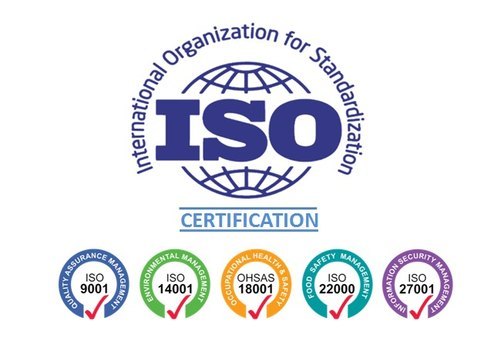
ISO stands for International Organization for Standardization. It is an independent international body that develops standards to ensure quality, safety, efficiency, and interoperability of products and services across industries.
ISO certification in India is not mandatory for all businesses, but it has become essential for companies looking to improve credibility, operational efficiency, and market access—especially in government tenders and international trade.
ISO certification offers multiple benefits, including:
Improved business credibility and brand image
Better customer satisfaction and trust
Enhanced internal processes and efficiency
Eligibility for government tenders and large corporate contracts
Easier access to international markets
Competitive advantage over non-certified businesses
Whether you are a startup, MSME, or large enterprise, ISO certification can add significant value to your operations.
There are several ISO standards, but not every business needs all of them. Below are the most common ISO certifications in India and who should opt for them.
Best for:
All types of businesses—startups, MSMEs, manufacturing units, service providers, IT companies
Purpose:
ISO 9001 focuses on quality management systems. It ensures that your business consistently delivers products or services that meet customer and regulatory requirements.
Benefits:
Improved customer satisfaction
Better process control
Reduced errors and rework
Strong market reputation
👉 If you are unsure which ISO to start with, ISO 9001 is the best choice for most businesses.
Best for:
Manufacturing companies, construction firms, factories, infrastructure projects
Purpose:
ISO 14001 helps businesses manage their environmental responsibilities effectively by reducing waste, emissions, and environmental impact.
Benefits:
Compliance with environmental laws
Reduced operational costs
Improved sustainability image
Enhanced corporate responsibility
👉 Ideal for businesses aiming to promote eco-friendly practices.
Best for:
Construction companies, factories, manufacturing units, logistics firms
Purpose:
ISO 45001 focuses on employee health and workplace safety by minimizing risks, accidents, and occupational hazards.
Benefits:
Safer working environment
Reduced workplace accidents
Compliance with labor safety regulations
Higher employee morale
👉 Highly recommended for businesses with physical operations or labor-intensive activities.
Best for:
IT companies, software firms, fintech startups, data-driven businesses
Purpose:
ISO 27001 protects sensitive business and customer data from cyber threats, breaches, and unauthorized access.
Benefits:
Strong data security framework
Customer trust and confidence
Reduced risk of cyber attacks
Compliance with data protection laws
👉 Essential for businesses handling confidential or digital data.
Best for:
Food manufacturers, restaurants, food processing units, exporters
Purpose:
ISO 22000 ensures food safety throughout the supply chain, from production to consumption.
Benefits:
Improved food safety controls
Compliance with food regulations
Increased customer confidence
Easier export opportunities
👉 Often used along with FSSAI registration in India.
Best for:
Medical device manufacturers, healthcare equipment suppliers
Purpose:
ISO 13485 ensures quality and safety in the manufacturing of medical devices.
Benefits:
Regulatory compliance
Improved product safety
Market access in domestic and international markets
Choosing the right ISO certification depends on several factors:
Service-based business → ISO 9001
Manufacturing unit → ISO 9001 + ISO 14001
IT or software company → ISO 27001
Food business → ISO 22000
Some clients or government tenders specifically demand certain ISO certifications.
Certain industries require compliance with safety, environmental, or data protection standards.
If your goal is global expansion, ISO certification becomes a strategic necessity.
The general ISO certification process includes:
Gap analysis and documentation
Implementation of ISO standards
Internal audit
Certification audit by an accredited body
Issuance of ISO certificate
With expert guidance, the process becomes simple, fast, and hassle-free.
Although ISO certification can be applied online, expert consultants help in:
Correct documentation
Faster approval
Avoiding rejections
Ensuring compliance with latest standards
Professional support saves time, effort, and unnecessary costs.
ISO certification is not just a certificate—it is a strategic tool that improves quality, trust, and growth potential. Choosing the right ISO standard depends on your business type, industry requirements, and long-term goals.
If you want to enhance your brand reputation, win client trust, and grow your business smoothly, ISO certification is a smart investment.
At Lincenzo, we provide end-to-end ISO certification services, including documentation, implementation, and expert support—ensuring a smooth and stress-free process.
📞 Get in touch today and choose the right ISO certification for your business with confidence.
Lincenzo is a trusted business compliance and legal services platform, helping startups, MSMEs, and enterprises simplify registrations, certifications, licenses, and regulatory compliance with expert guidance and end-to-end support.